Category
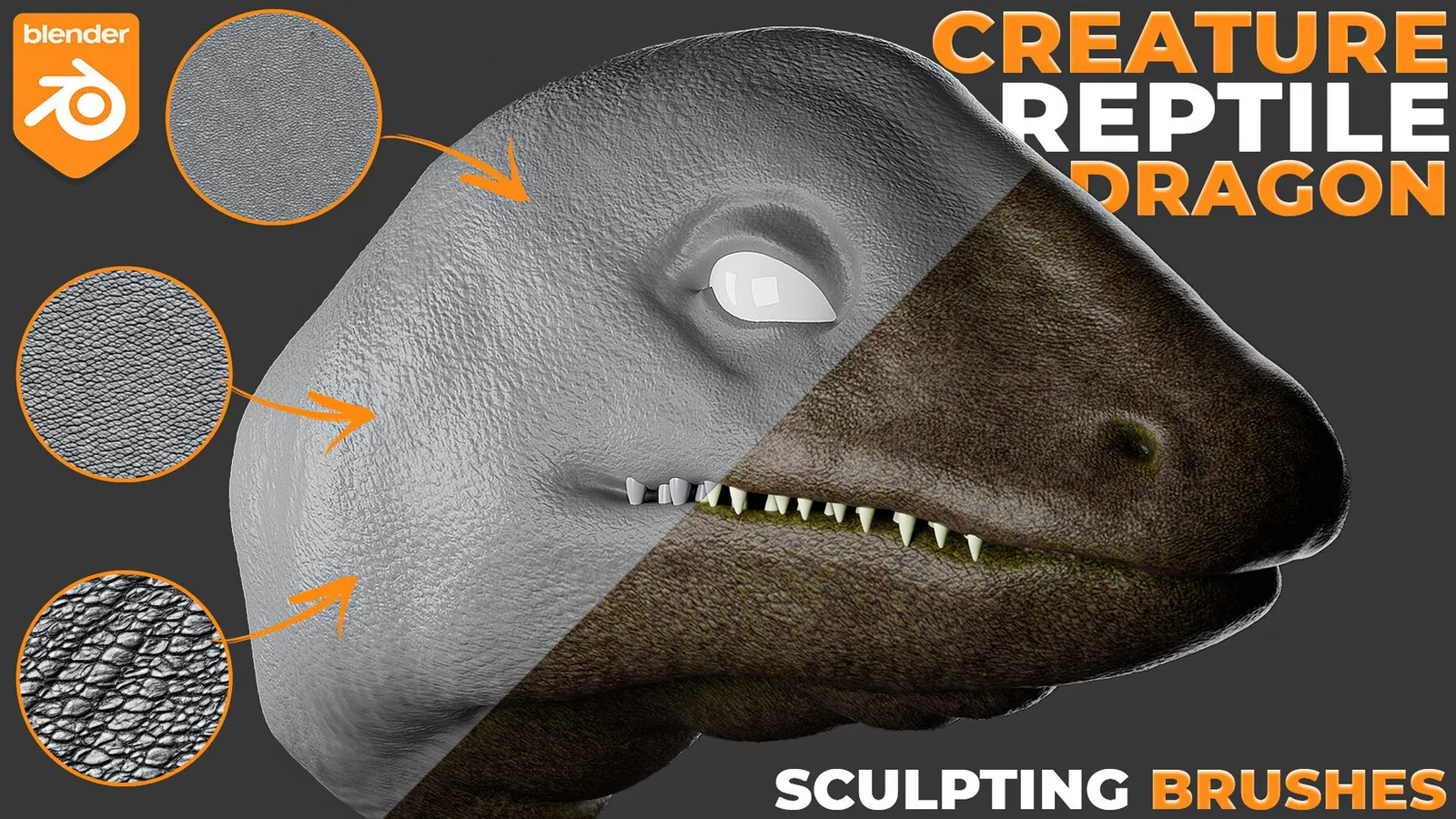
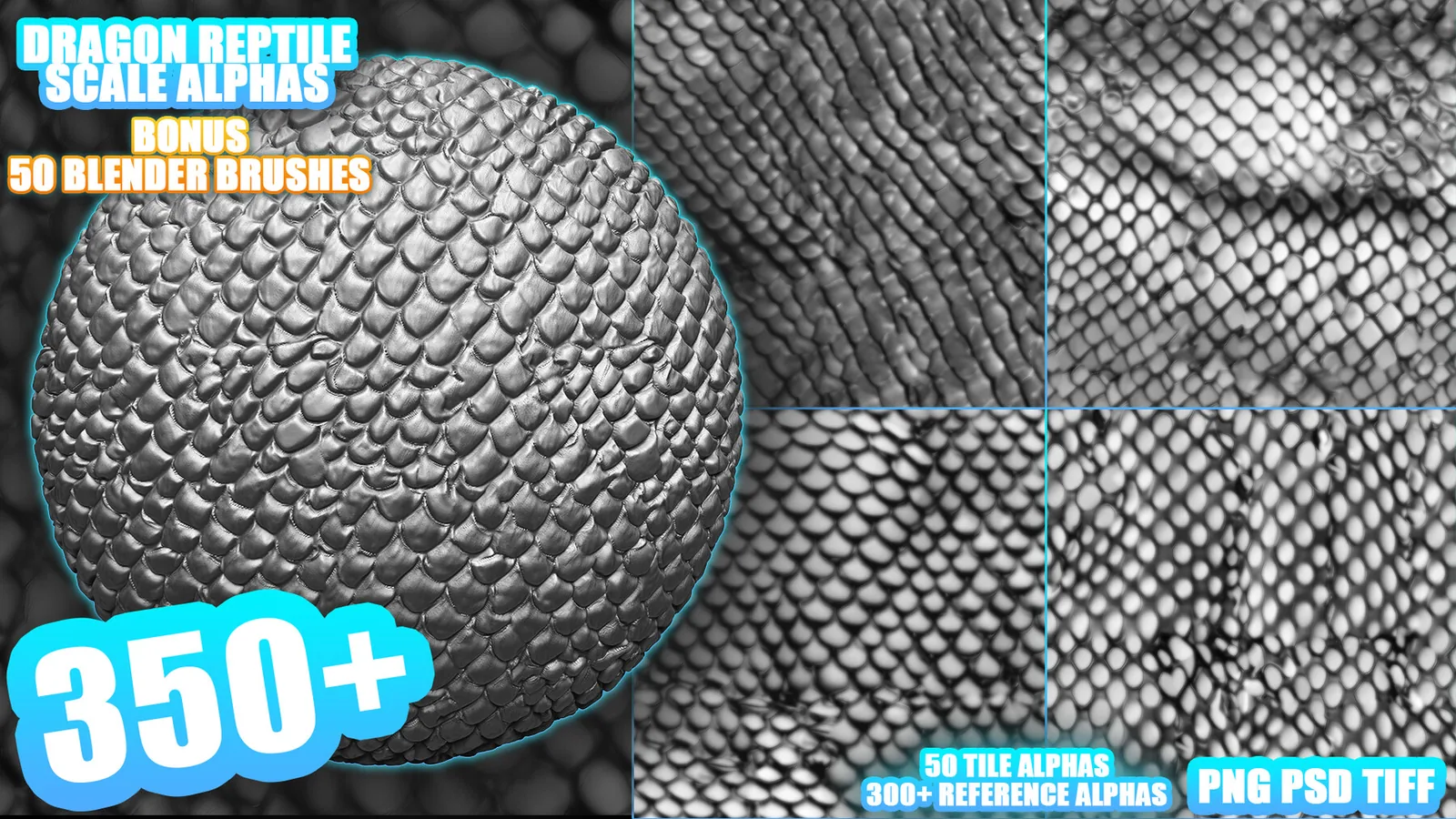
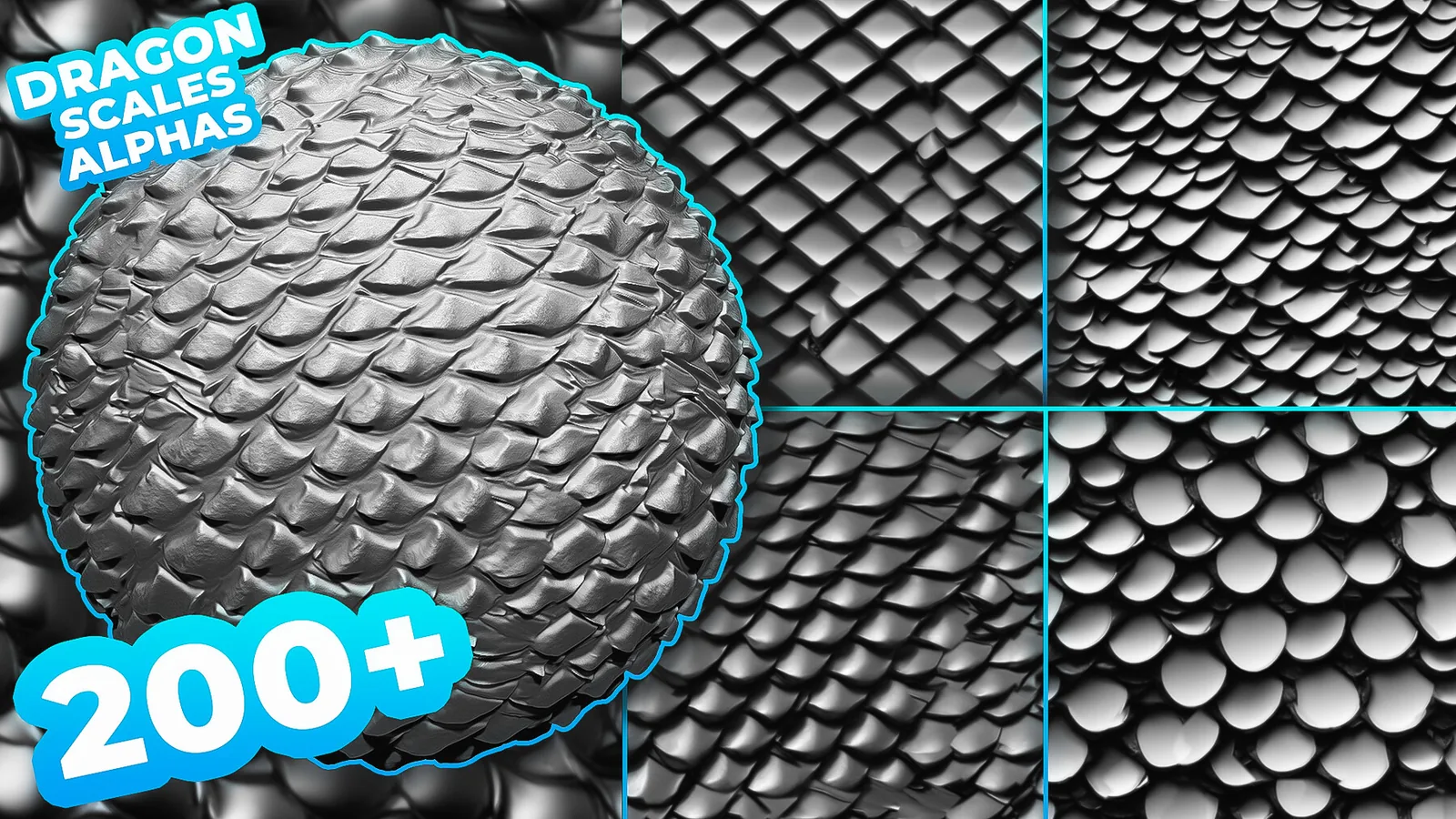
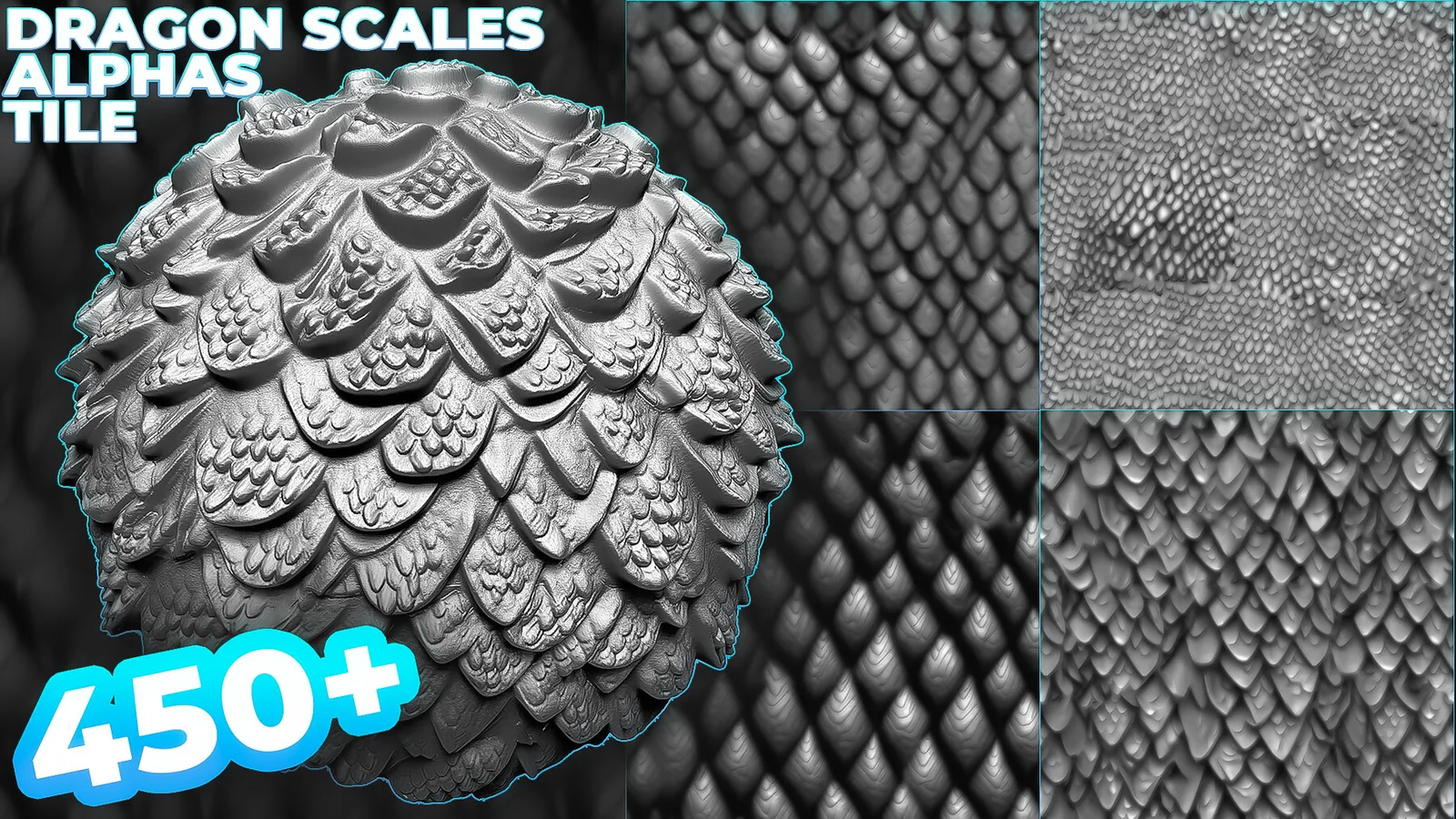
Creature, dragon and reptile skin brushes
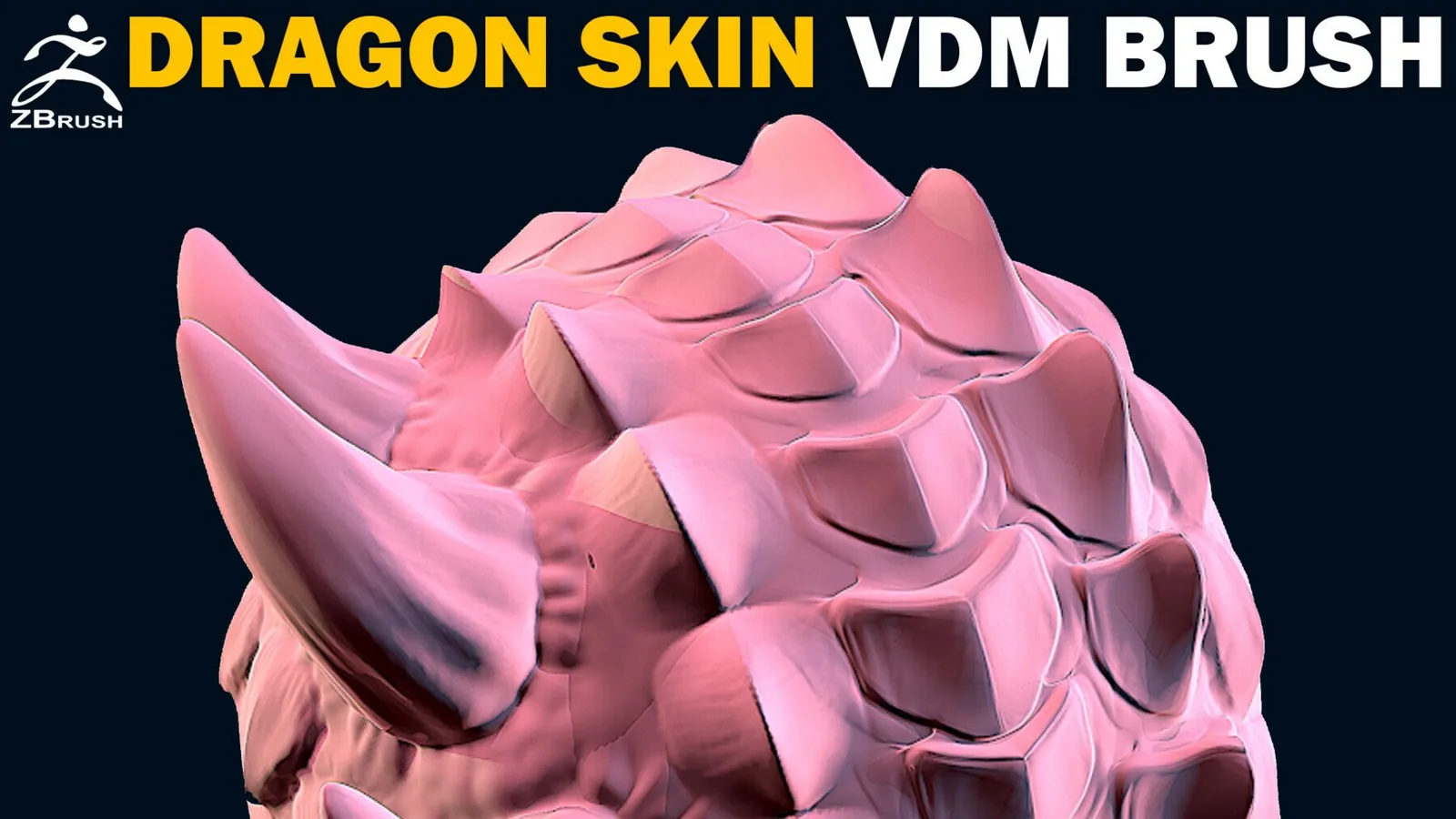
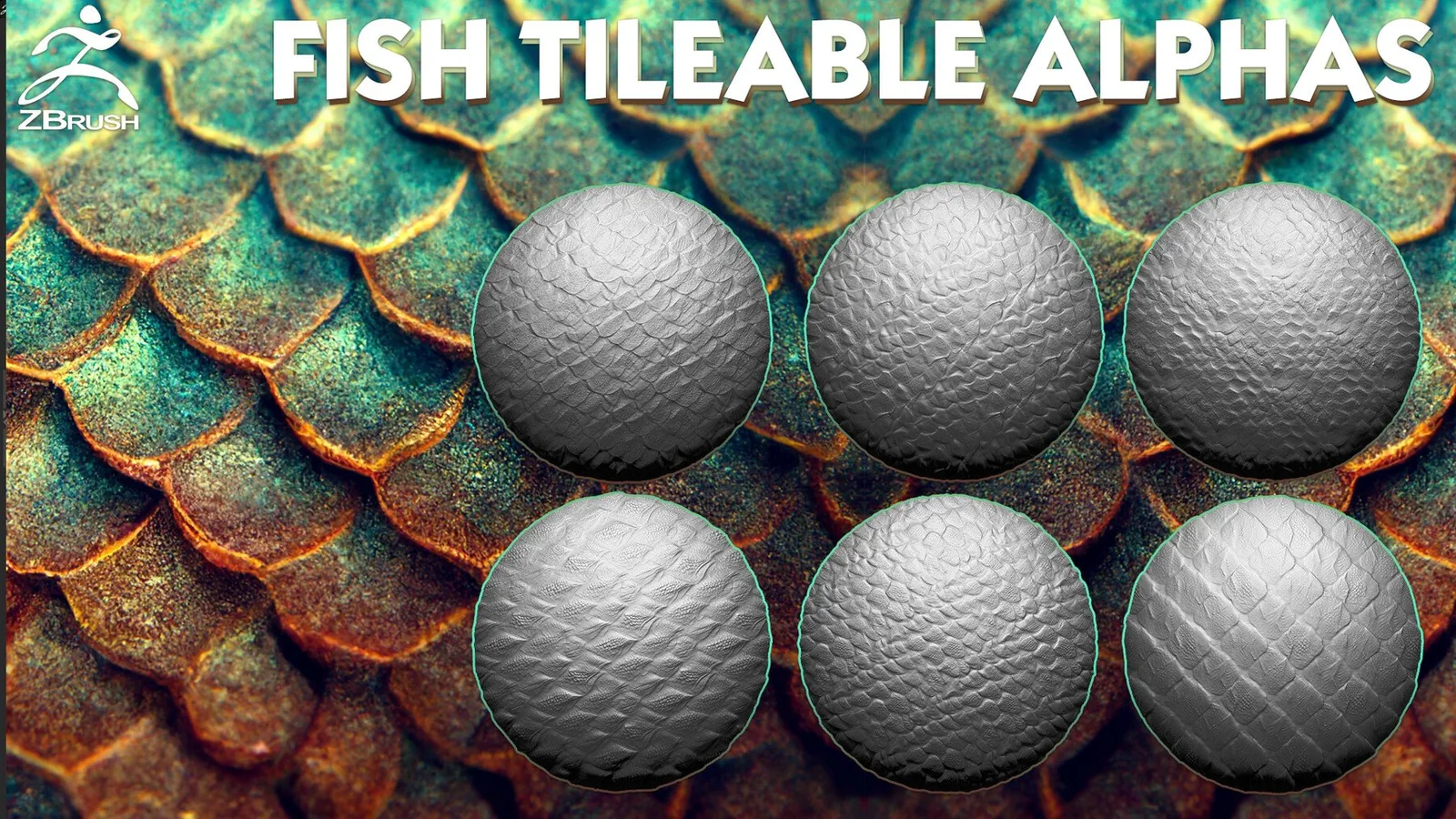
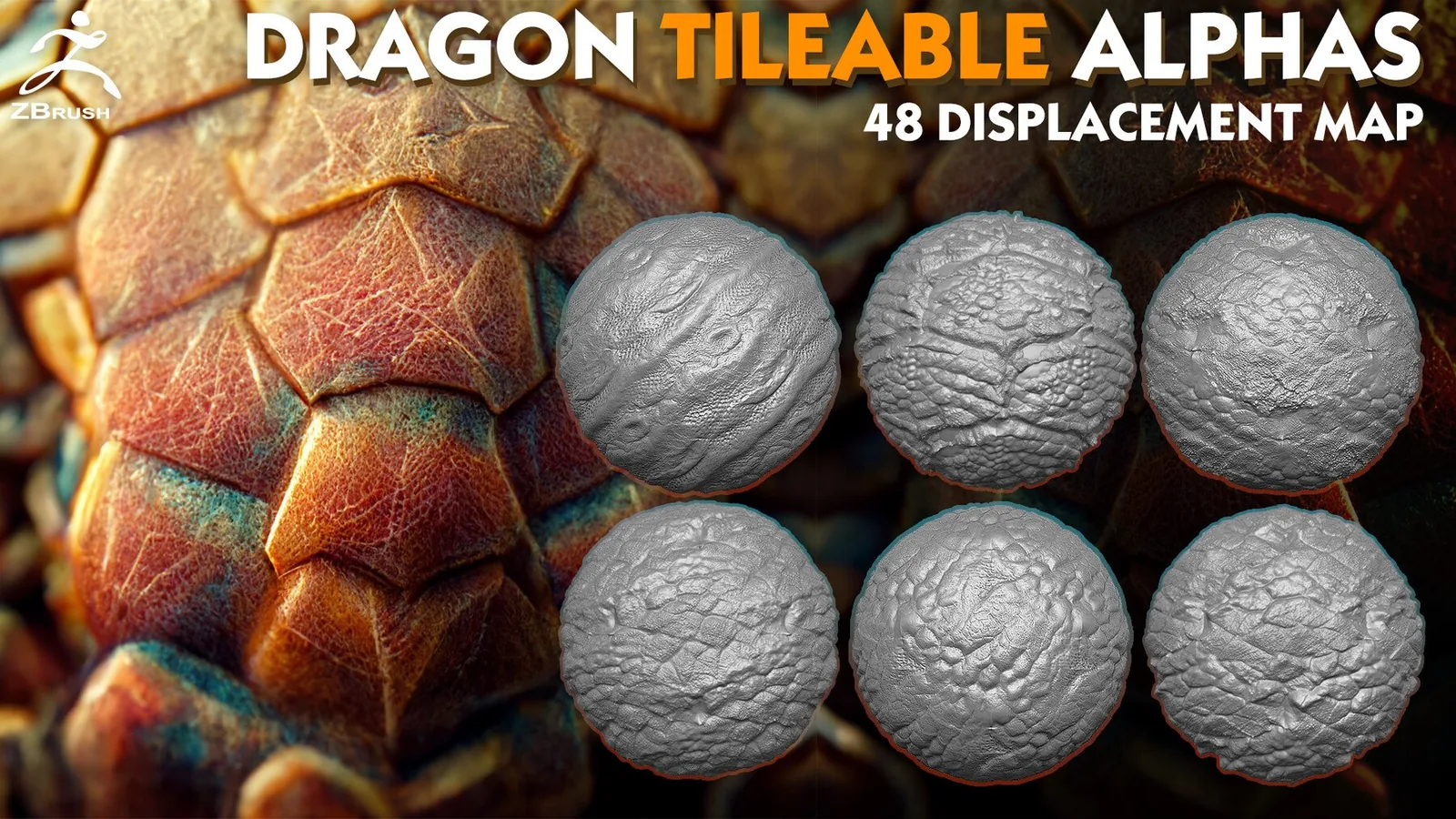
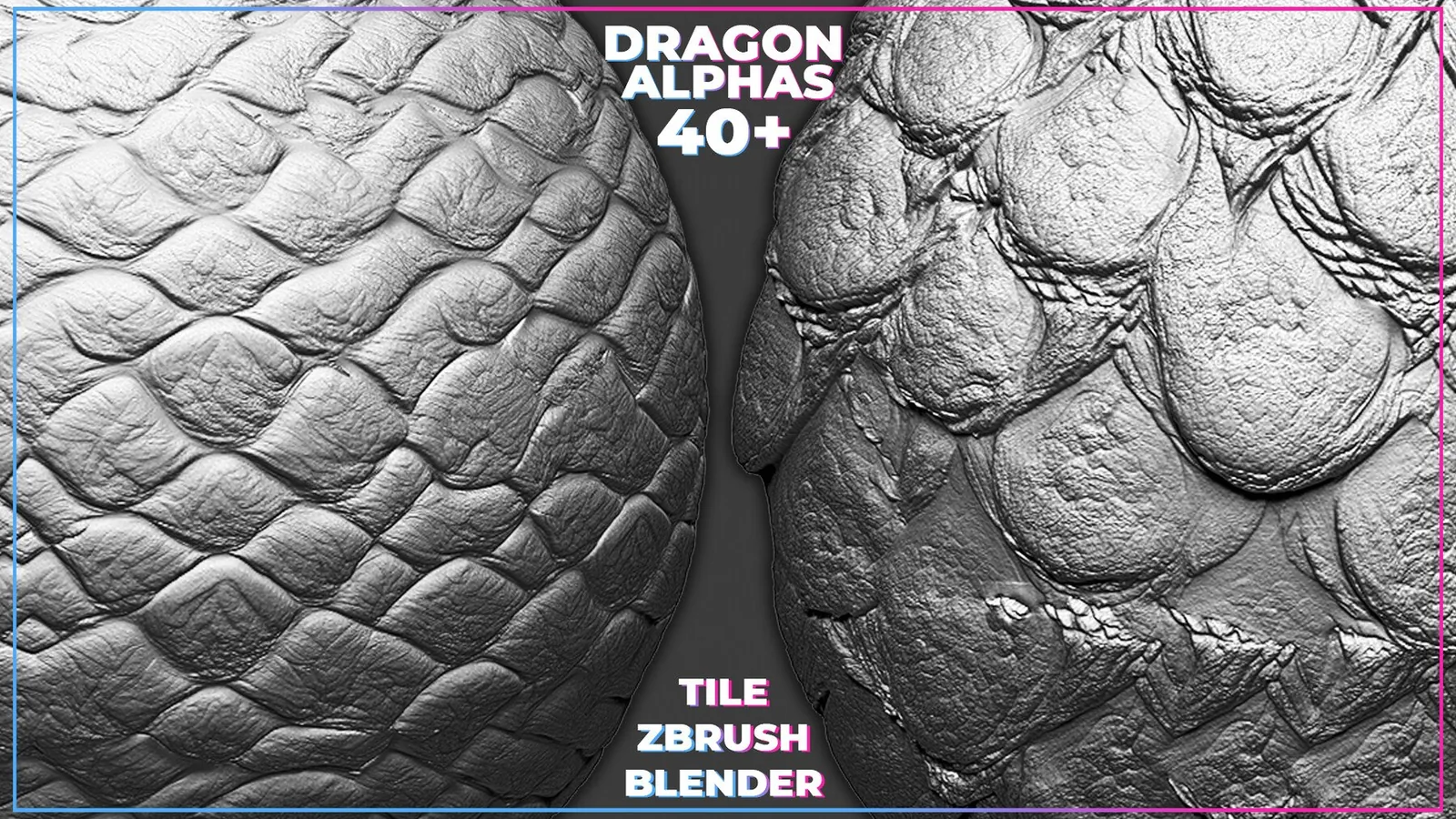
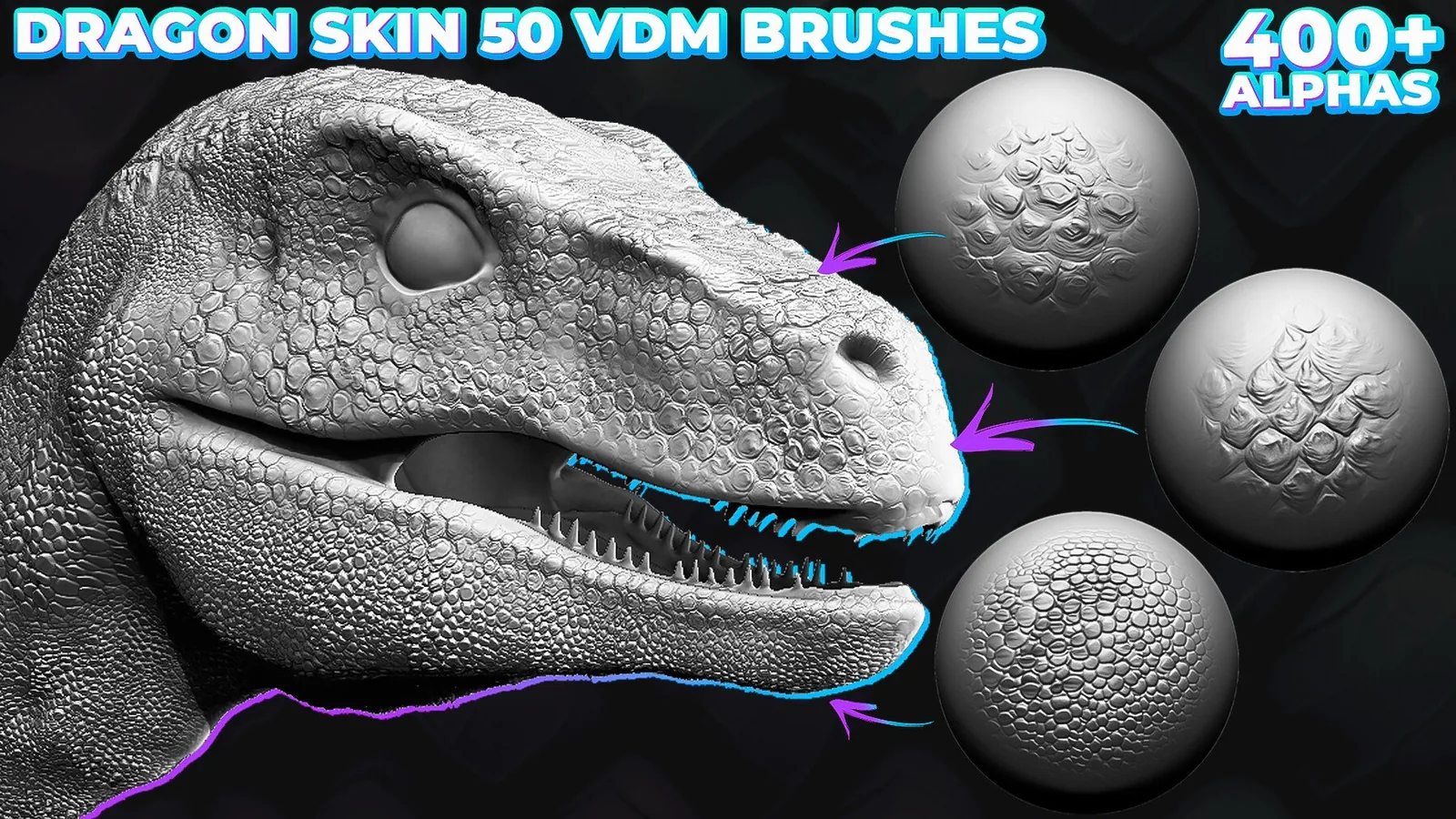
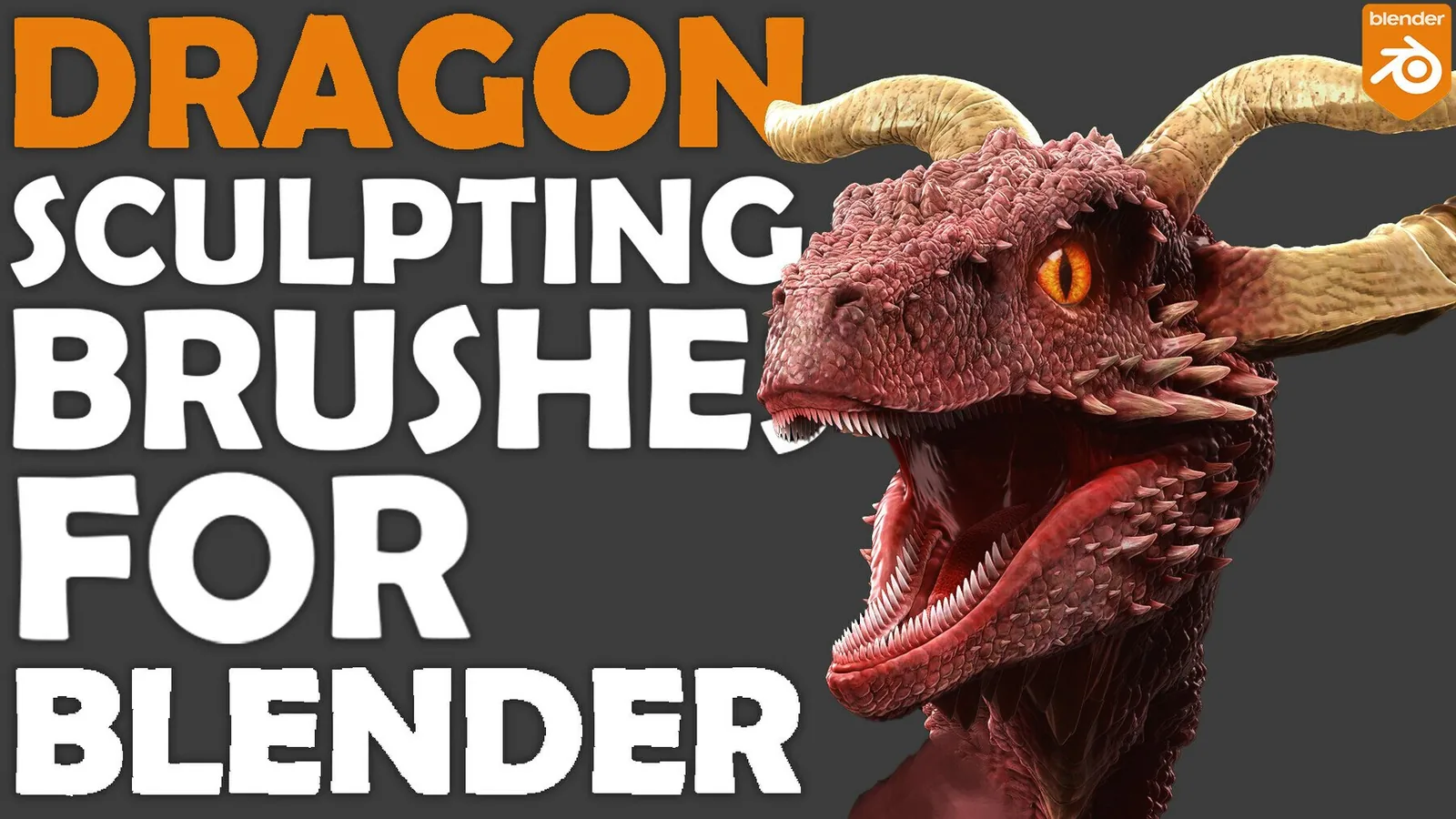
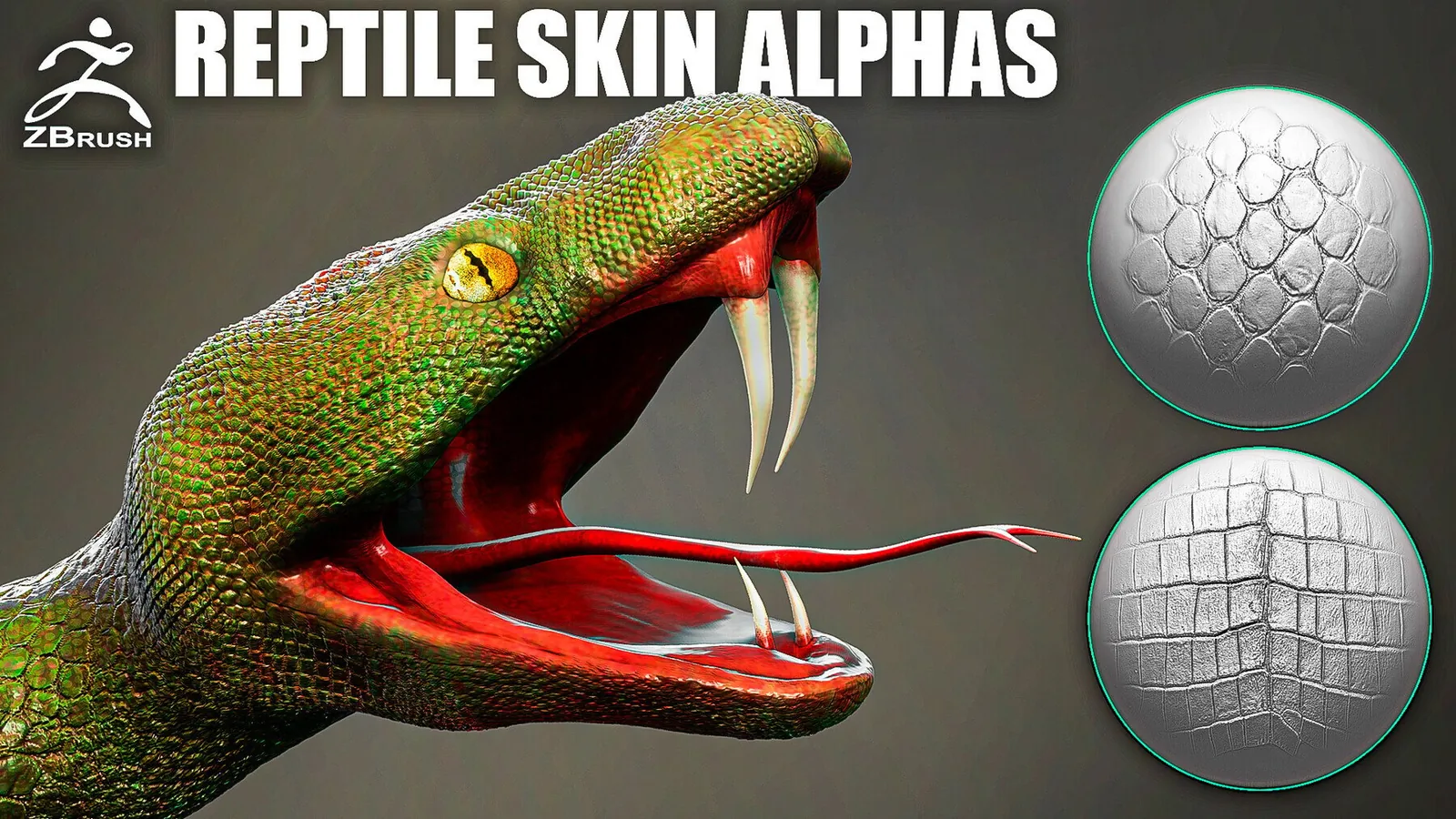
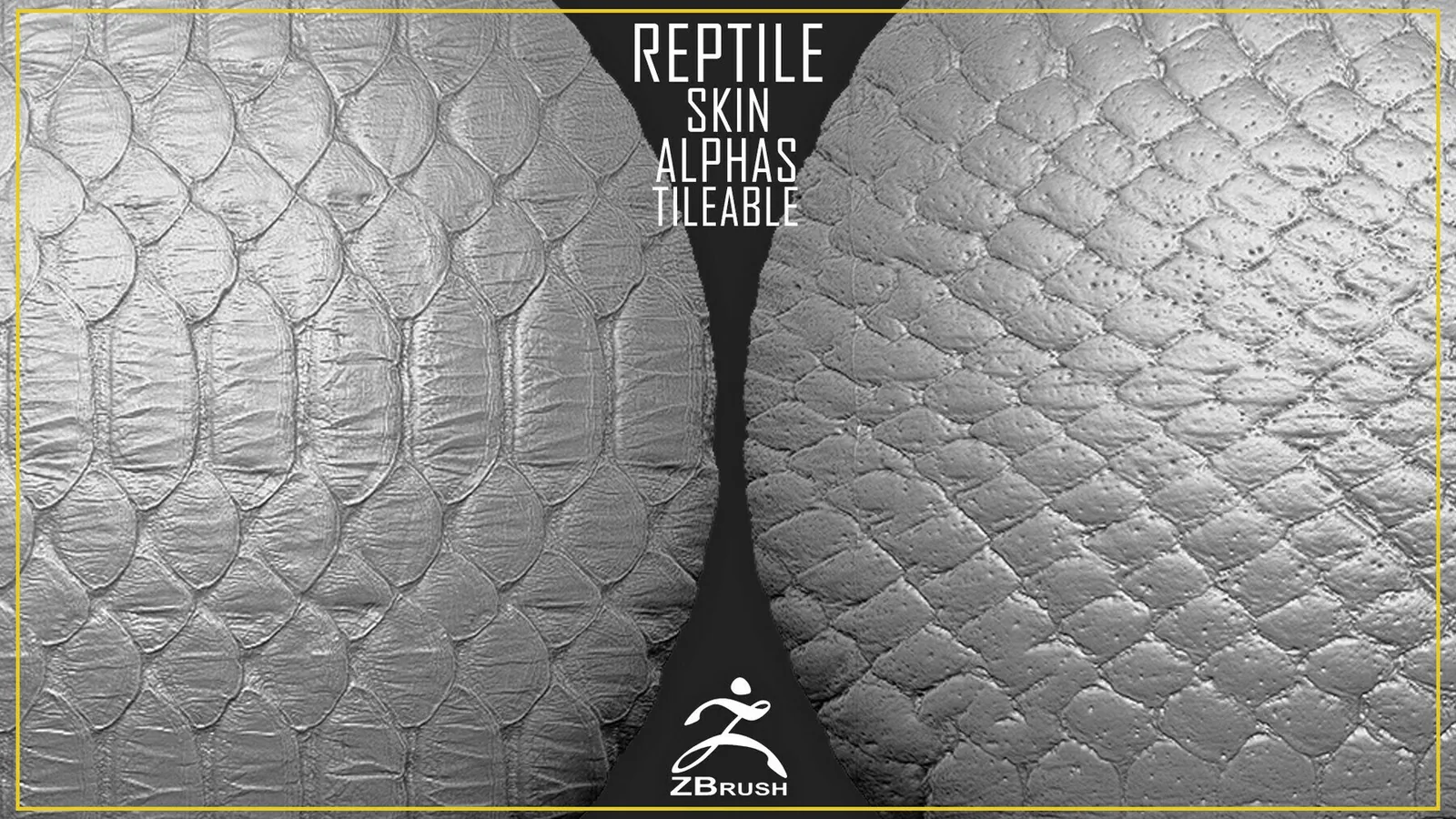
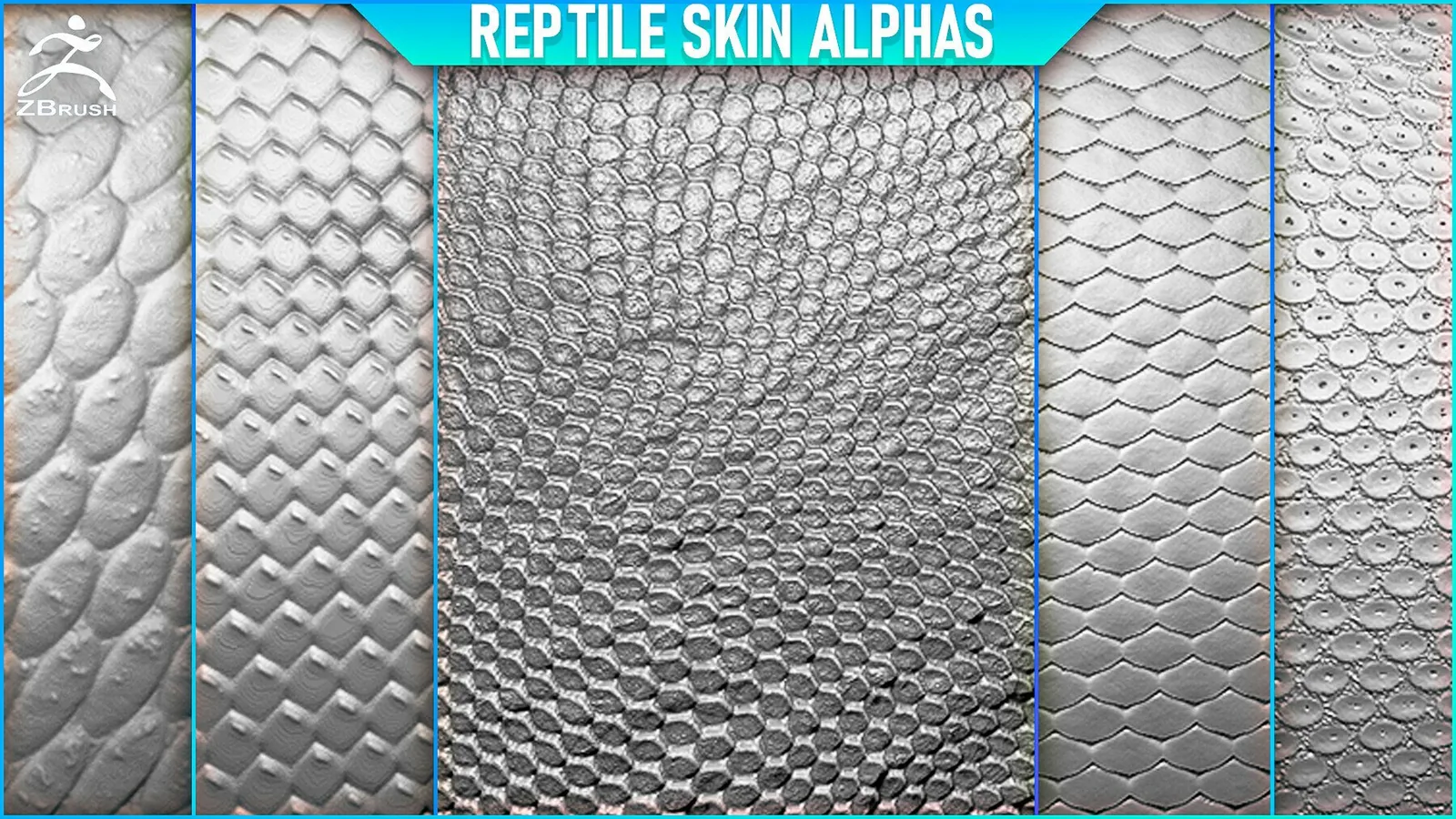
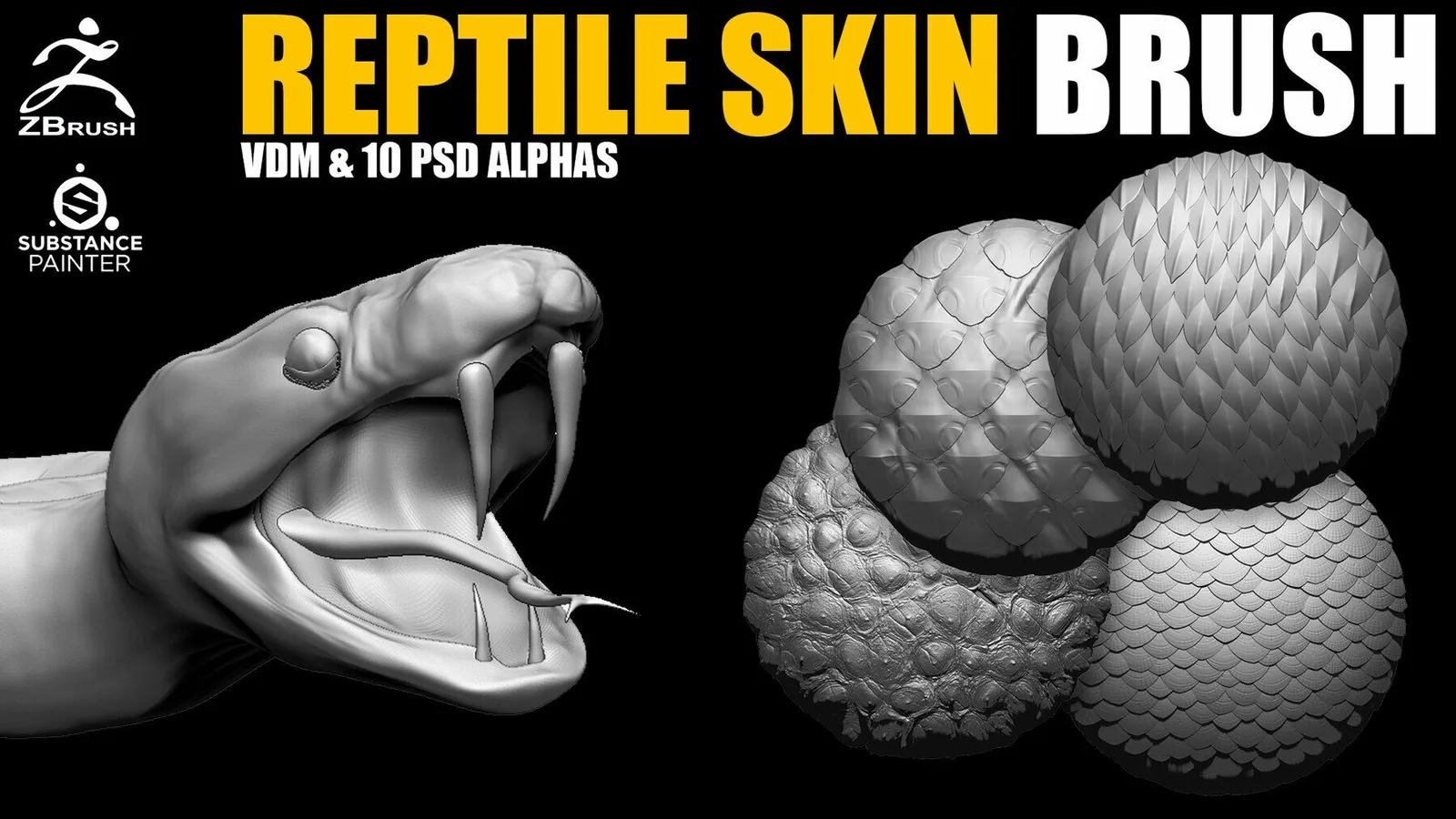
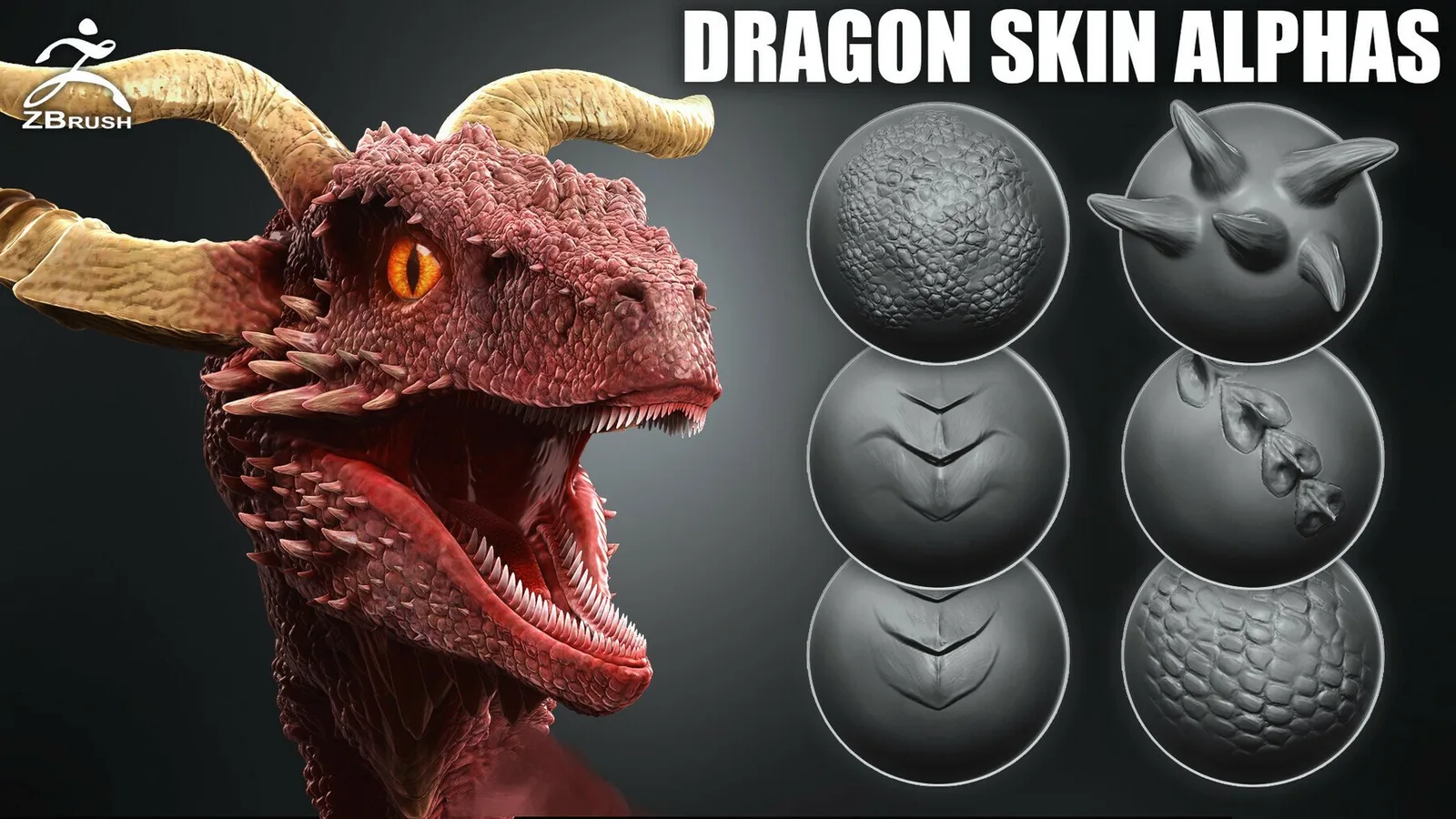
Build dragon hide, reptile scales, monster skin and directional creature surfaces with focused brushes, VDM tools and tileable alphas for Blender and ZBrush. Human pores and wrinkle products now live only in the dedicated Human Skin Brushes category.
Shop creature skin brushes by subject
Looking for human skin brushes?
Human pores, facial wrinkles and body-skin products are separated from this creature category to prevent duplicate listings.
Best creature skin brush sets
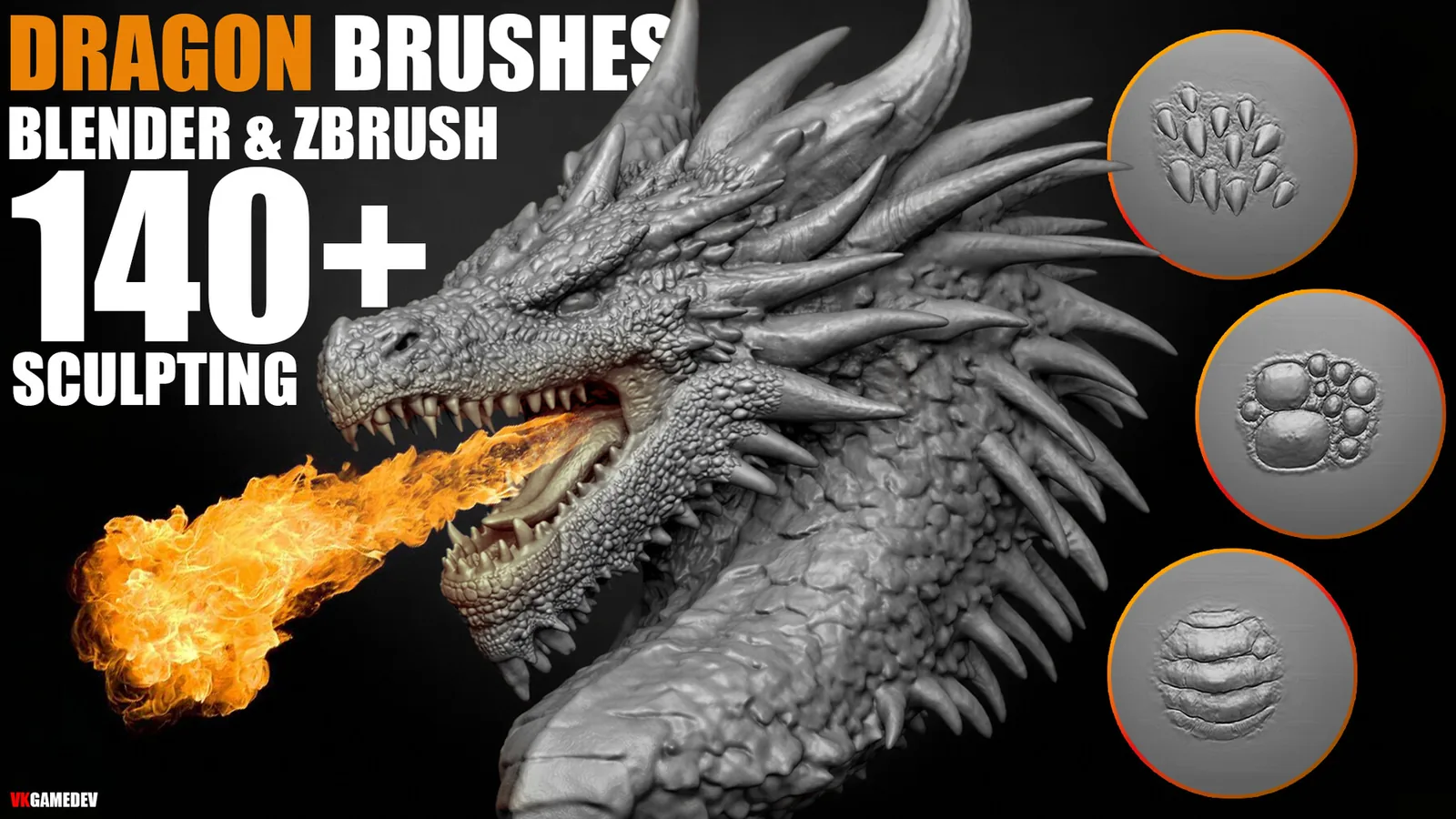
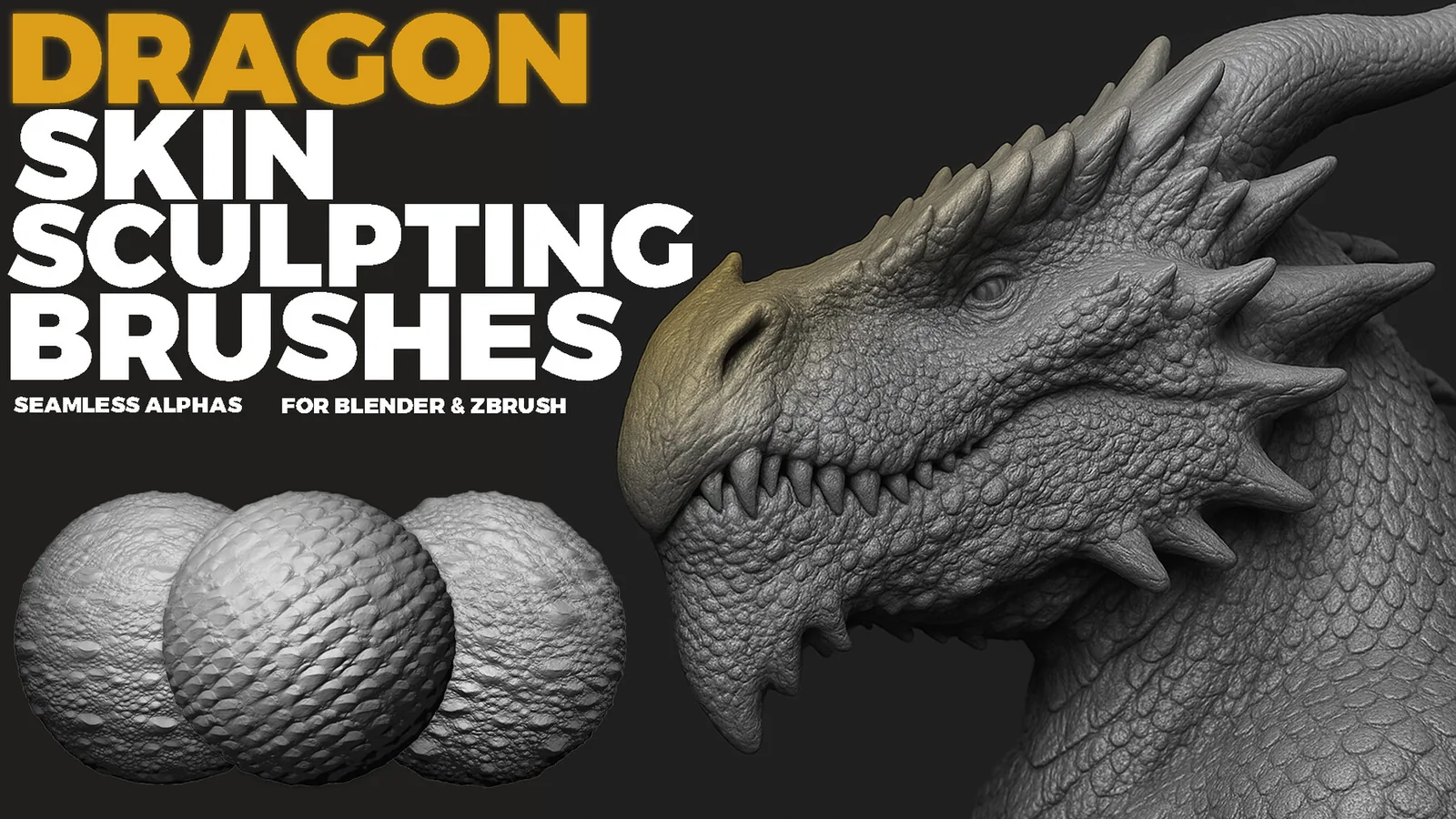
All creature, dragon and reptile products
22 creature, dragon and reptile products for Blender and ZBrush.
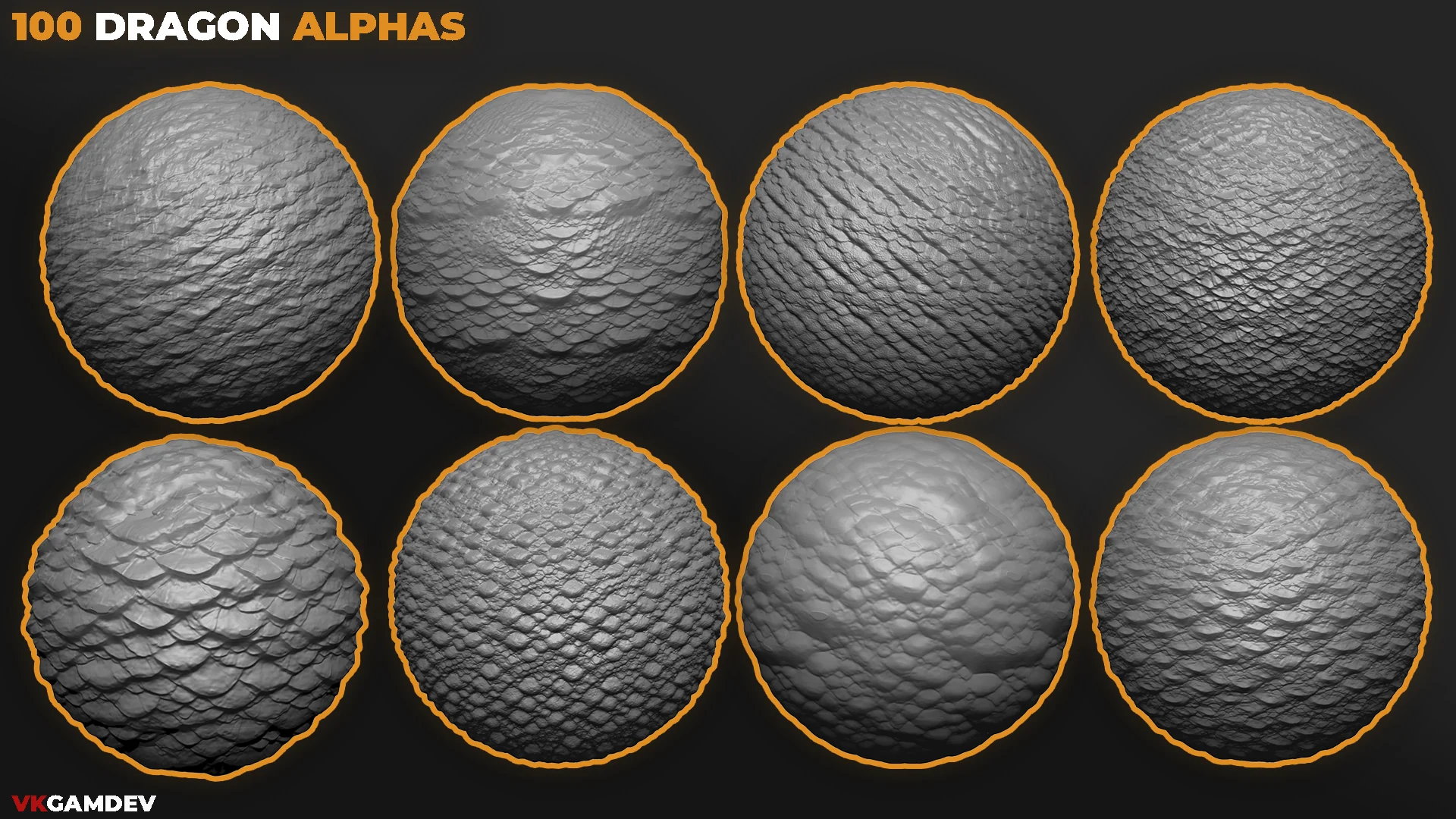
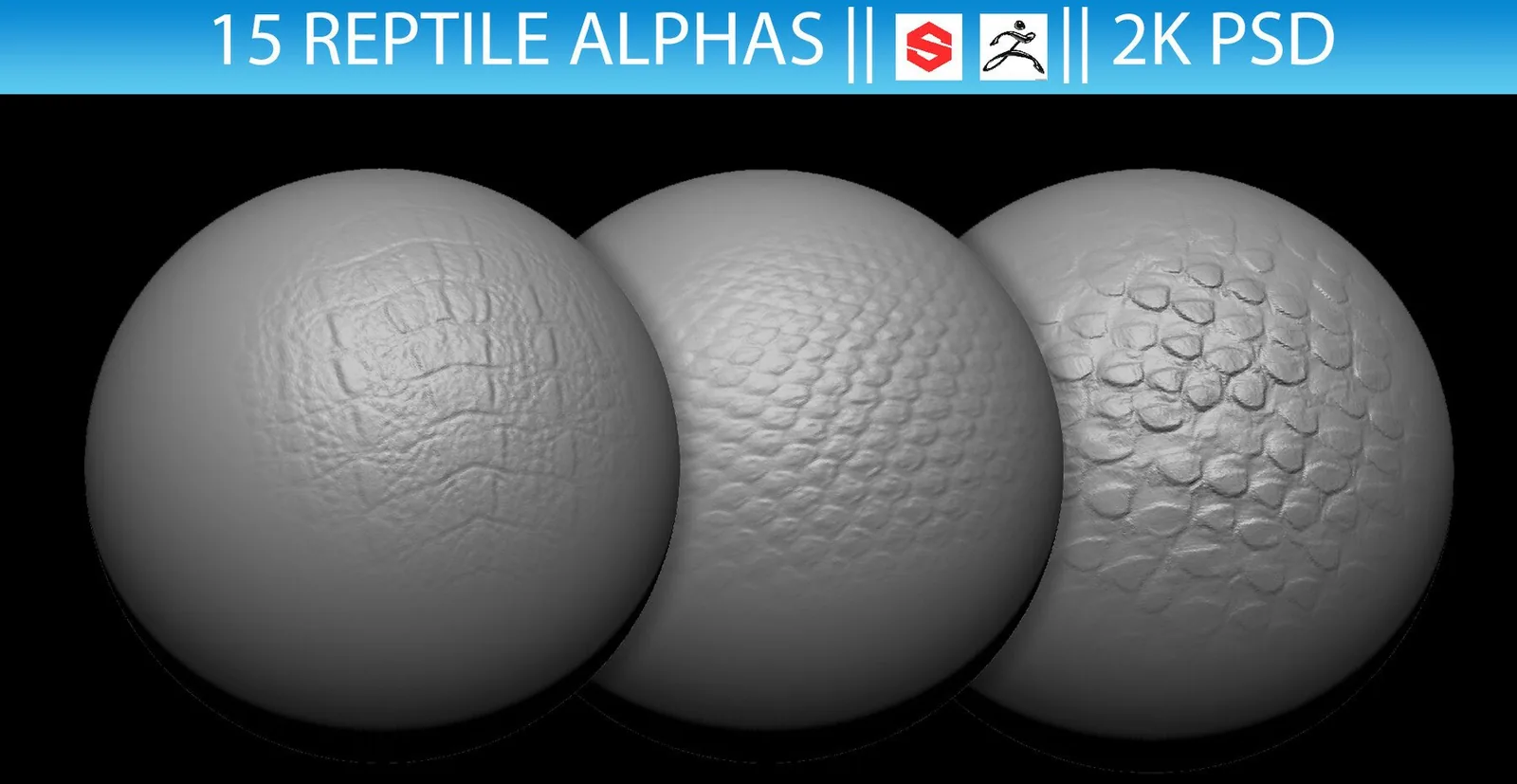

How to sculpt creature skin detail in the right order
Creature skin brushes FAQ
Are human skin brushes still listed in this category?
No. Human pores, facial wrinkles and body-skin products are collected in the dedicated Human Skin Brushes category.
What does this creature skin category include?
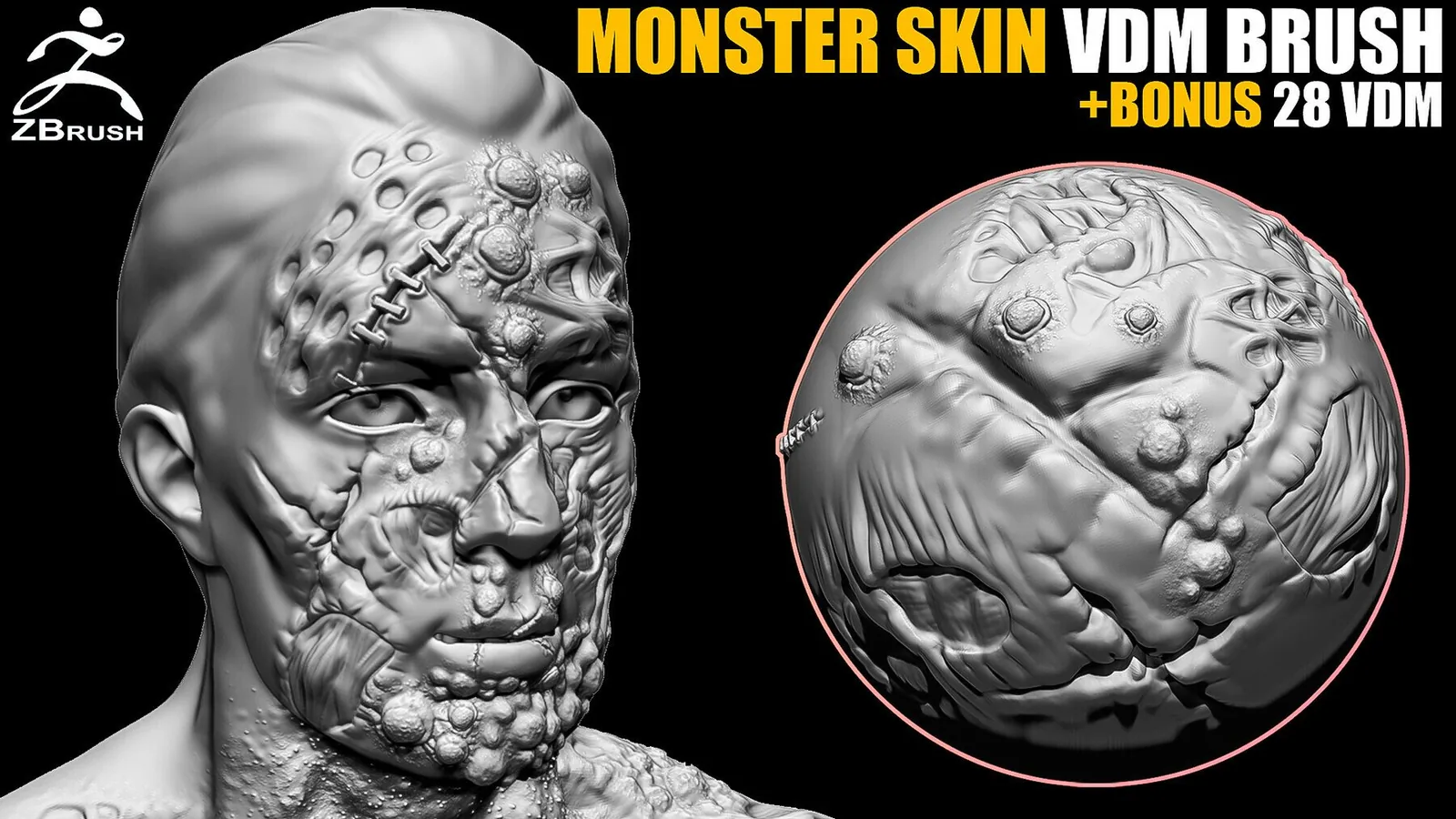
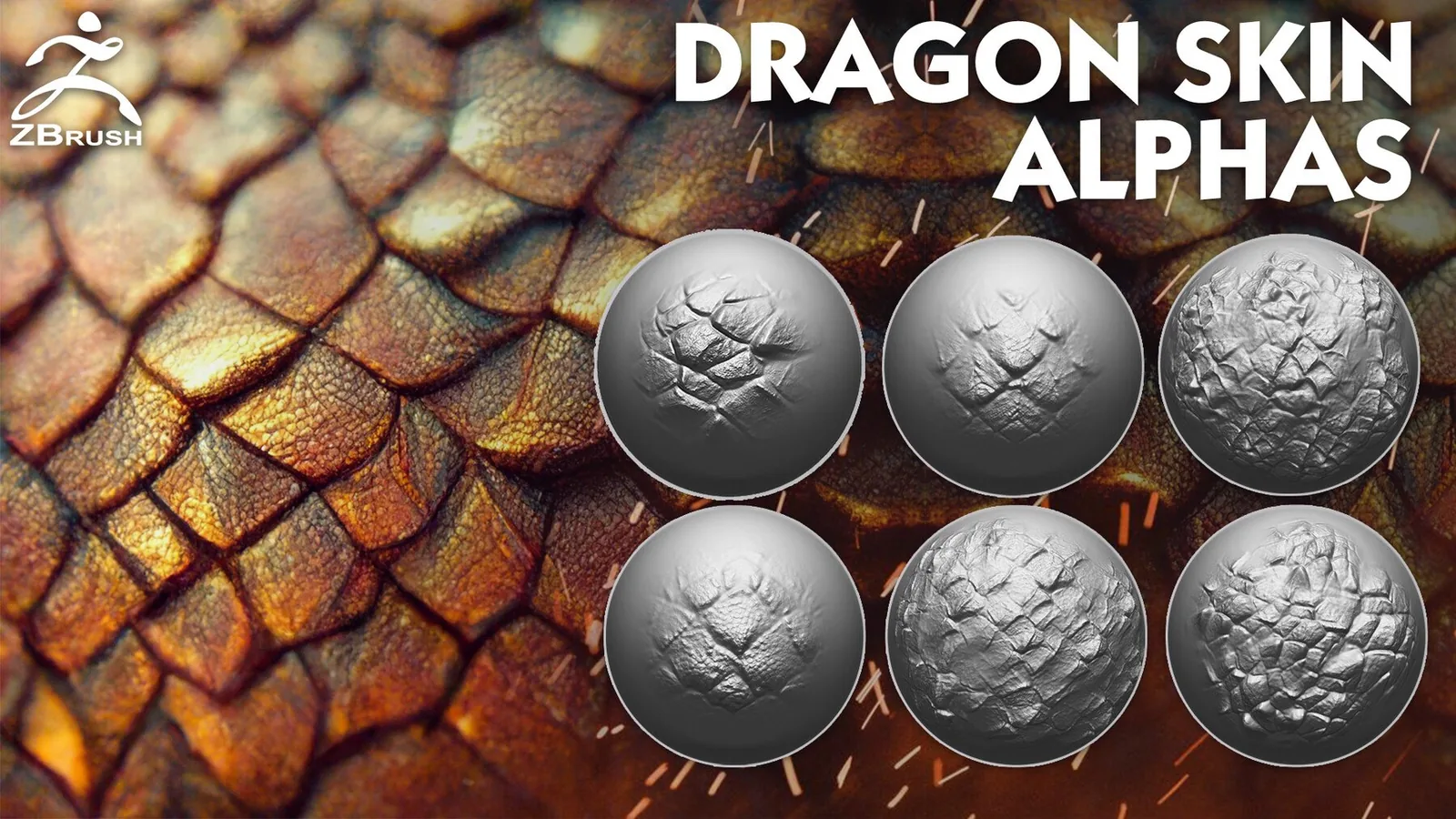
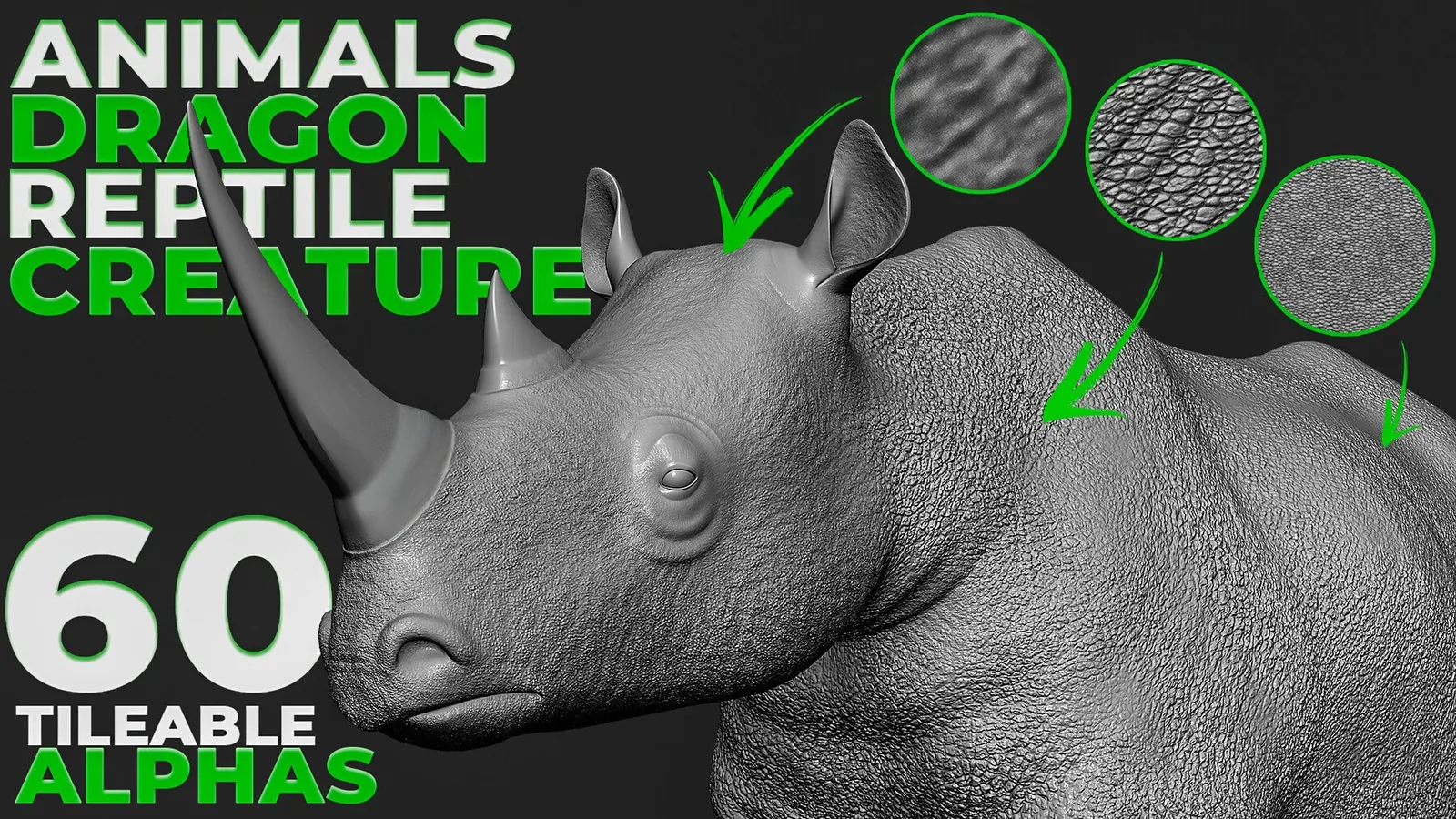
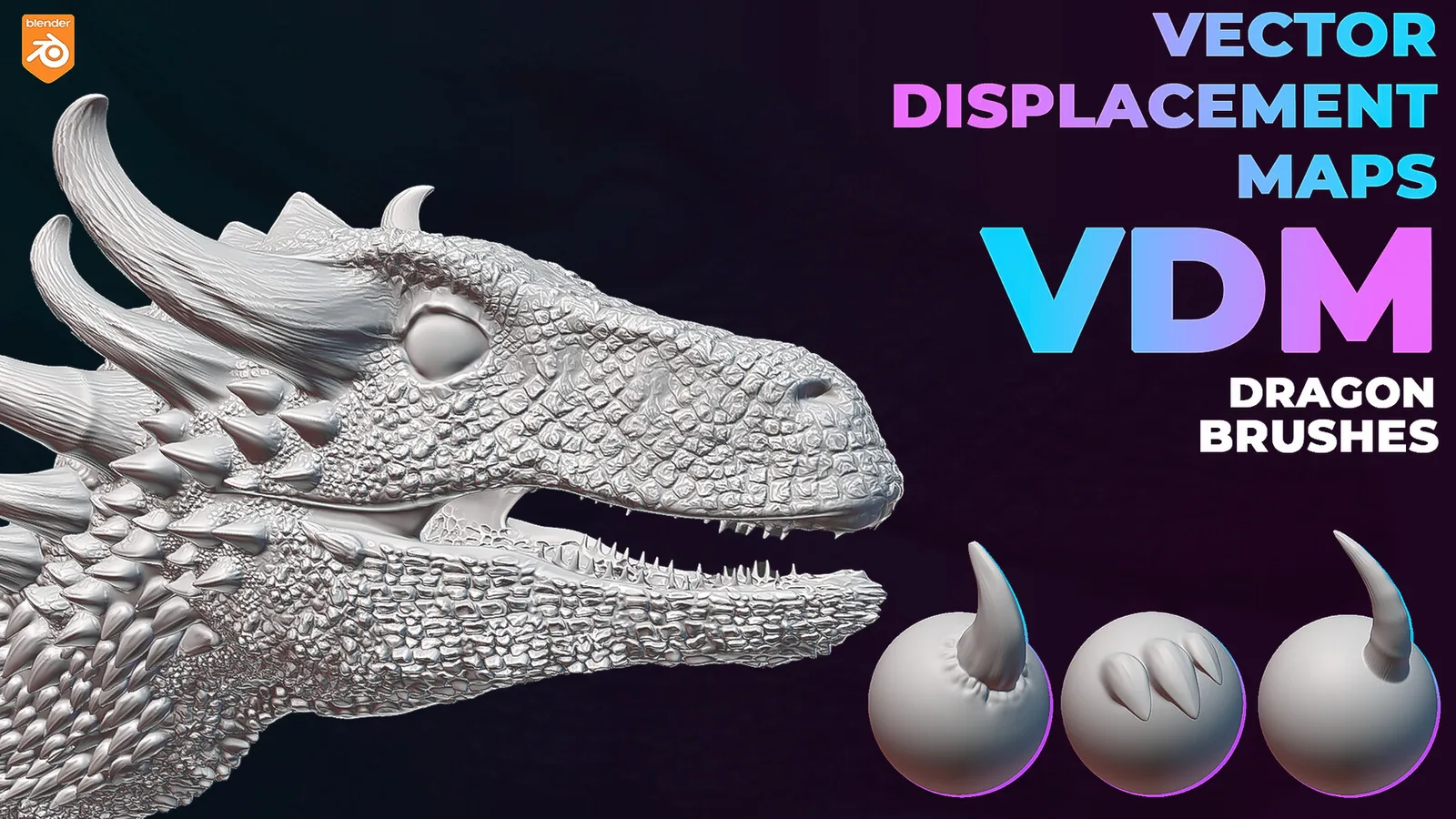
It includes dragon scales, reptile patterns, monster skin, creature VDM brushes and tileable alpha or displacement maps for Blender and ZBrush.
Should creature scales follow the anatomy?
Yes. Establish the primary anatomy first, then place scales and skin flow so they support the underlying forms and direction of movement.
When should fine scale detail be added?
Add fine scales and micro breakup after the silhouette and medium-size scale groups are working. Keep their strength low enough to preserve the larger forms.